 +91 +91-9987530465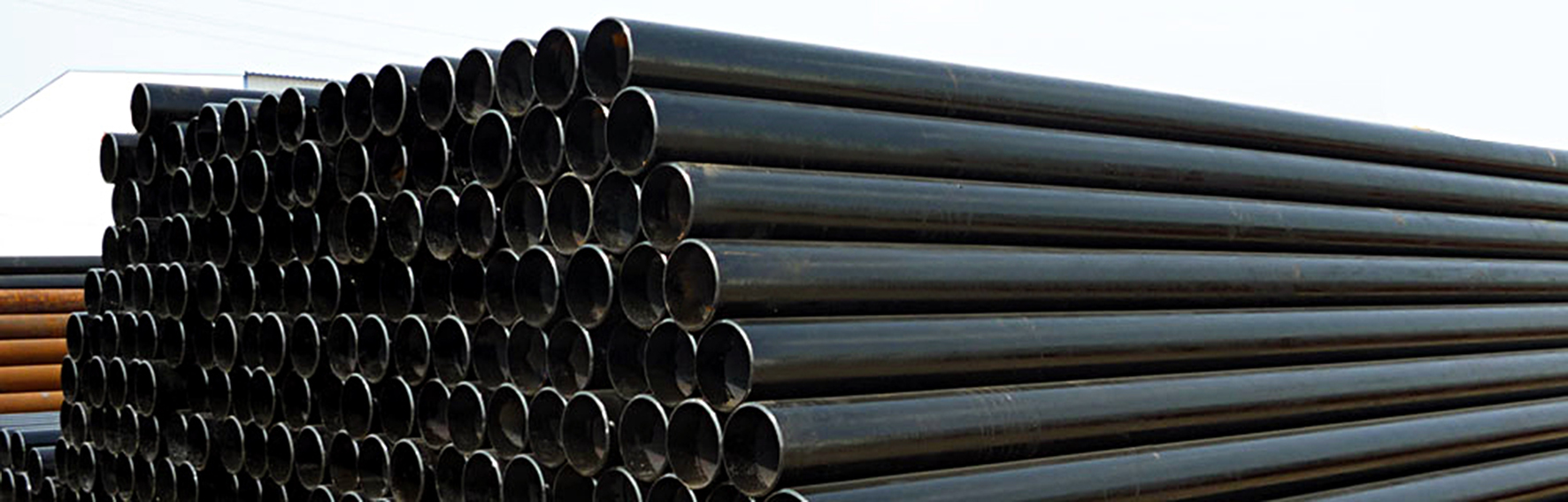
Mild steel pipes are a type of carbon steel pipe that contains a low percentage of carbon, typically around 0.05% to 0.25%. This low carbon content makes the steel ductile, malleable, and relatively easy to weld. These pipes are widely used in a variety of industries due to their strength, flexibility, and cost-effectiveness. Mild steel pipes have good tensile strength, which makes them suitable for both low-pressure and high-pressure applications. Mild steel pipes are commonly used in plumbing, construction, and structural applications. They're often seen in water and gas pipelines, as well as for general-purpose framing and infrastructure. They can be manufactured through processes such as electric resistance welding (ERW) or seamless techniques, depending on the intended use.
Additionally, mild steel pipes are prone to rust and corrosion when exposed to moisture, so they are often coated with anti-corrosive materials, such as galvanizing or painting, to improve their durability and lifespan. The pipes are easy to machine, cut, and install, making them a popular choice for both residential and industrial projects.
Available Grades of MS Pipes
| Material Type | Grades/Alloys |
|---|---|
| Stainless Steel | ASTM A479, A182: 304, 304L, 304H, 316, 316L, 316H, 316Ti, 309, 310, 317L, 321, 347, 904L, 17-4PH, 400 Series |
| Mild Steel | Gr. 1008, 1010, 1015, 1020, CK35, CK45, CK55, CK60, etc. |
| Carbon Steel | ASTM A105, A350 LF2 |
| Alloy Steel | ASTM A182: F5, F9, F11, F12, F21, F22, F91 |
| High Nickel Alloys | Hastelloy, Nickel, Monel, Inconel, Incoloy, Alloy-20, Cupro Nickel |
| Non-Ferrous Metals | Copper |
Features
- Good strength and suitable for various applications.
- Good strength and suitable for various applications.
- Prone to corrosion; often requires protective coatings like galvanization.
- Used in construction, plumbing, and structural applications.